The Konbini Ecosystem — Infrastructure, Efficiency, and Design
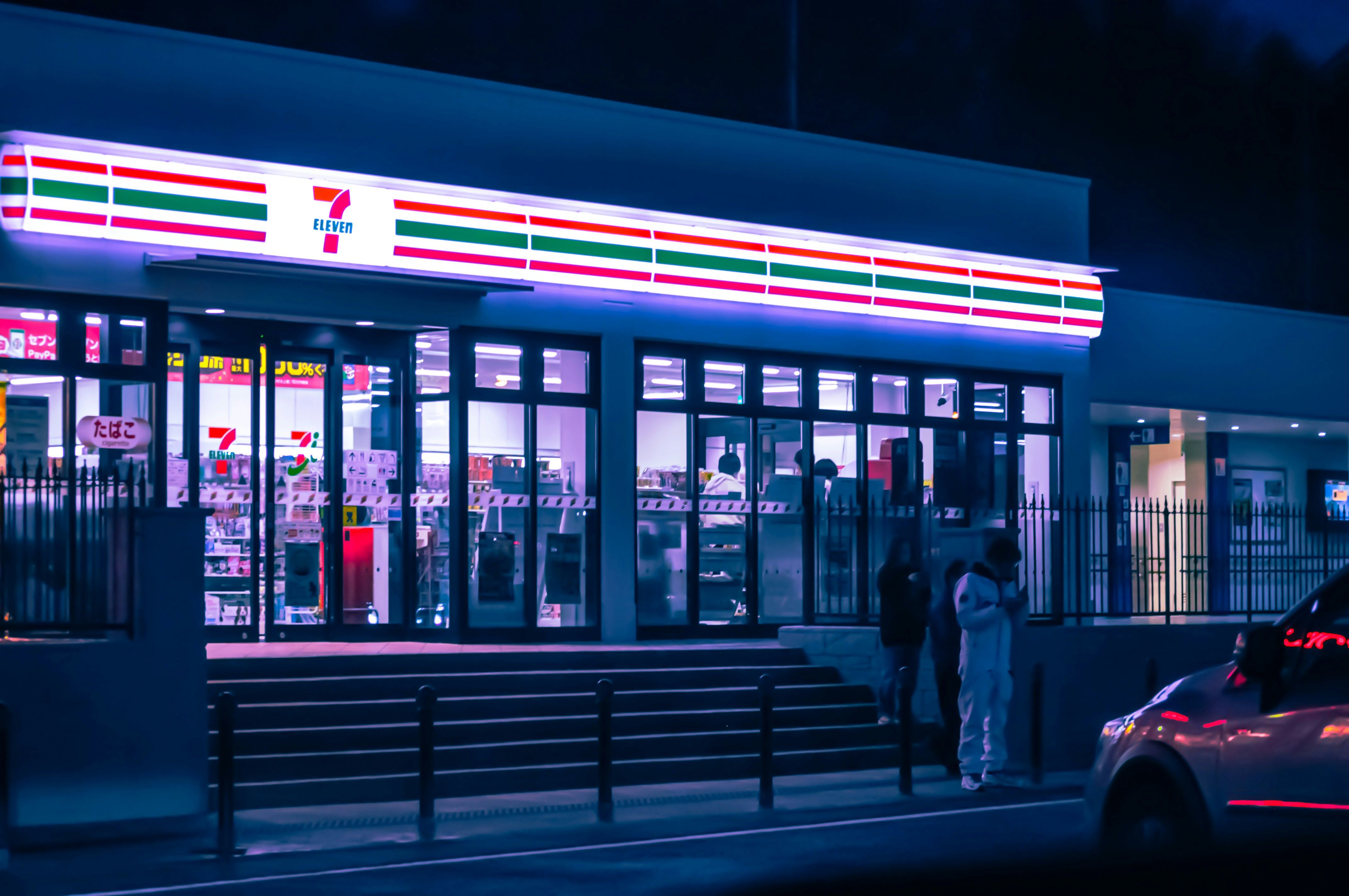
Before moving from Hanoi to Osaka, convenience stores meant little more to me than places to purchase emergency soda or packaged chips. In Japan, however, the konbini—whether 7-Eleven, Lawson, or FamilyMart—functions as vital civic and logistical infrastructure. For students living independently, these stores form the reliable backbone of day-to-day survival.
The modern convenience store is a triumph of supply-chain informatics and human-centered design. Within a compact footprint, a student can print course syllabi, pay municipal health insurance bills, pick up online parcels, ship luggage across prefectures, and purchase fresh, high-grade seasonal meals. The inventory management is astonishing: delivery trucks arrive multiple times daily to restock freshly rolled onigiri and warm bento boxes tailored specifically to the neighborhood's peak demographic patterns.
During unexpected typhoons or earthquakes, convenience stores are officially designated as disaster-relief support hubs, maintaining backup generators and emergency food supplies. What makes the konbini genuinely remarkable is not just the high-tech logistics operating behind the register, but the baseline standard of courteous, predictable service. It represents Japanese industrial precision applied directly to everyday convenience, proving that even routine transactions can reflect meticulous care and community support.