The Architecture of Stillness — Shinto Shrines and Everyday Mindfulness
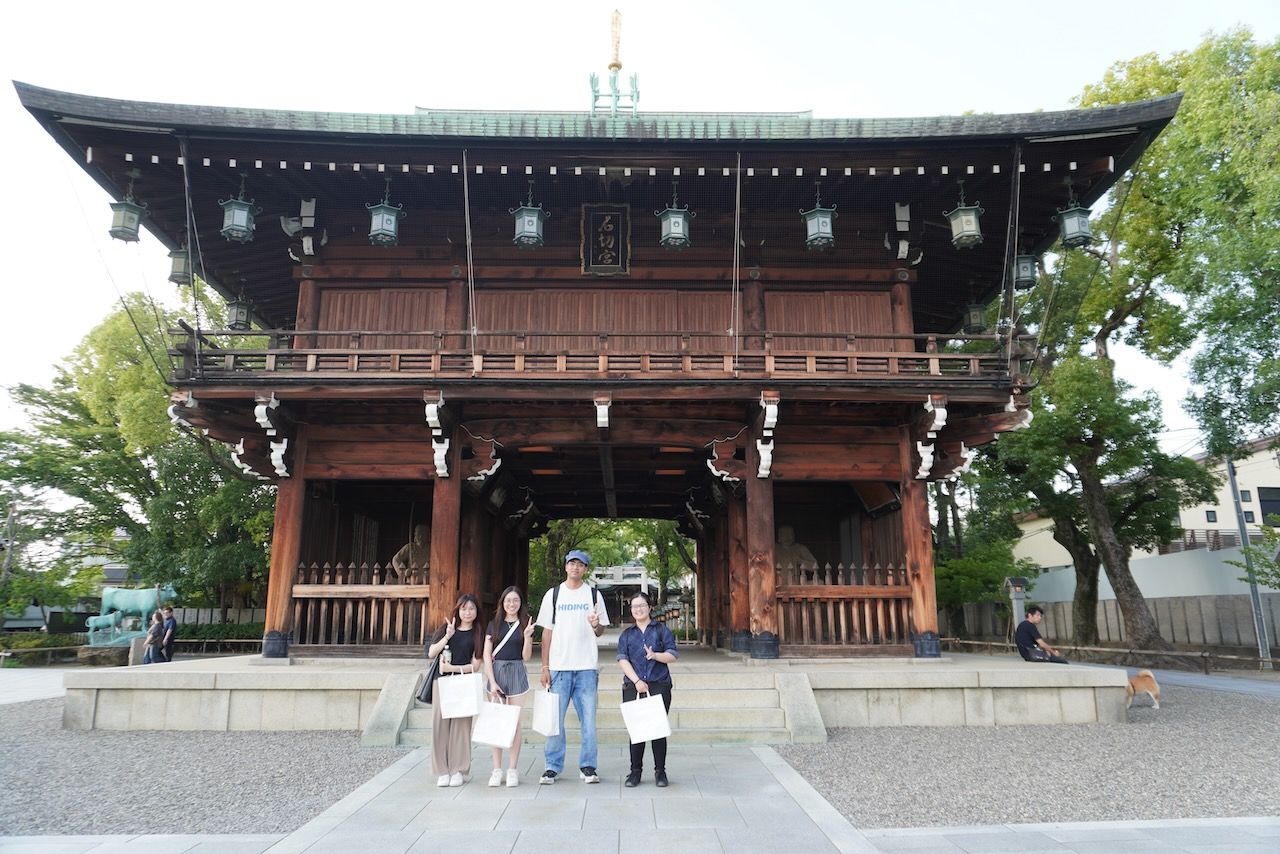
Just a short distance from our campus grounds sits Ishikiri Tsurukiga Shrine, nestled into the foothills of Mount Ikoma. The moment you cross beneath the vermilion torii gate, the ambient drone of urban traffic recedes into a profound sensory stillness. Shinto architecture is uniquely designed to blur the boundary between sacred structures and the natural landscape, using unvarnished cypress, cedar, and open pavilions that invite the surrounding environment inward.
Visiting a shrine is fundamentally an embodied, physical practice. Before approaching the main hall (haiden), visitors pause at the temizuya water pavilion. The ritual is deliberate: rinsing your left hand, your right hand, rinsing your mouth, and tilting the bamboo ladle so the remaining water purifies the handle. Approaching the shrine altar requires another exact sequence: two deep bows, two sharp claps that resonate into the courtyard, a silent prayer, and a final bow.
As an international student juggling intensive research deadlines and cultural adjustments, this ritualized pause offers immense psychological clarity. Shinto spaces do not demand theological study or dogma; instead, they provide physical architecture dedicated to purification (harai) and gratitude. By grounding everyday life in deliberate movements and quiet reflection, traditional shrines remind us to reset our minds and appreciate the natural world around us.